

ANGELICA OFFICINALE AB
Angelica archangelica
 Floraison
Conseils de semis
Cycle de vie : biennial
Durée de levée : 10 to 40 days
Température de levée : 10 to 12°C
Technique de semis : online
Profondeur de semis : equal to the seed size
Contenants de semis : in the open ground
Conseils de culture
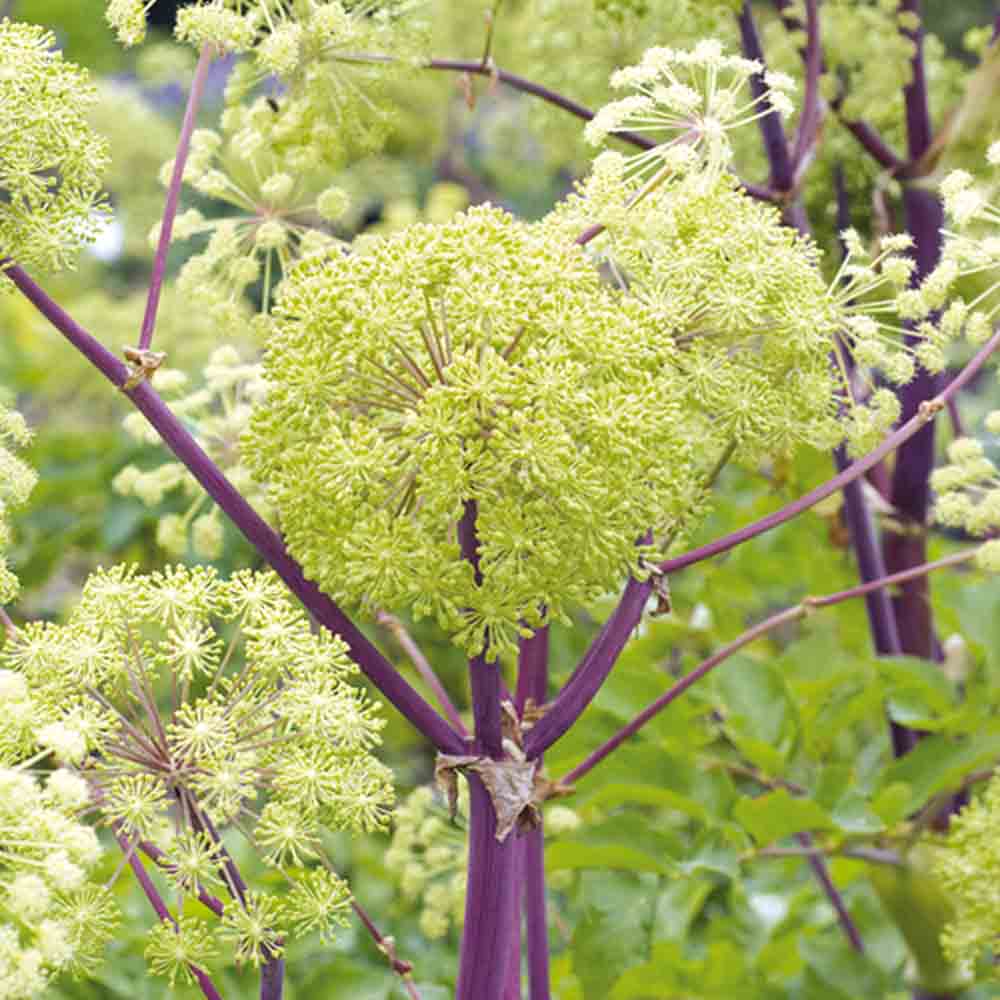
Description
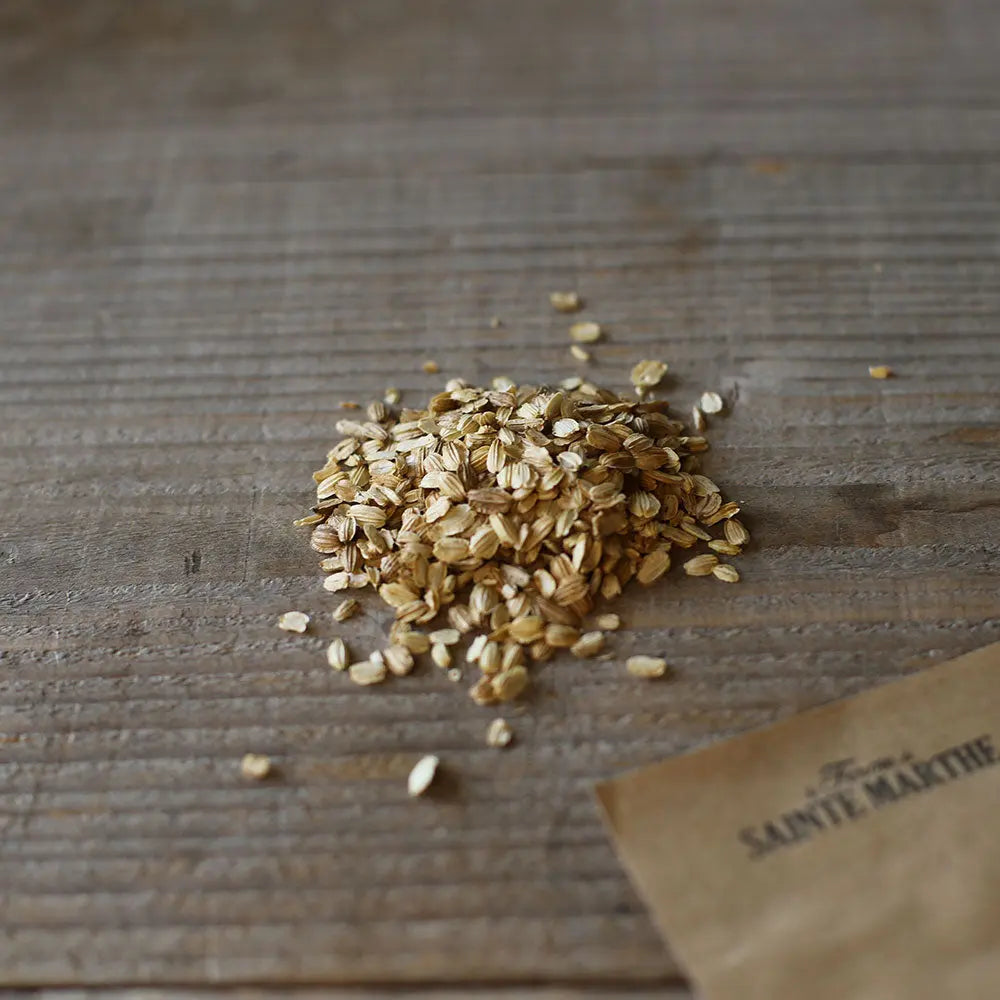
Large aromatic and medicinal plant (sometimes more than 2 meters), cultivated since the end of the Middle Ages, for its petioles, stems and seeds as well as for its root used in herbal medicine for their interest on the digestive system and to fight fatigue. Stems and seeds are used to make liqueurs, while the petioles are used in confectionery. The young leaves are used as a condiment to flavor soups and salads. It attracts many pollinators, aphids. The sap of angelica is photosensitizing, so we recommend using gloves to harvest it. Sowing: in March/April or from July to September, in a nursery in fresh and loose soil. Do not add manure. To break dormancy you can place your seeds at 7°C for a week then sow them at 20°C: germination will take about 3 weeks. Transplant in spring leaving 1 m in all directions. Harvest: Leaves in the first year before flowering, petioles and stems in the second year before flowering, seeds in the third year before the plant dies. Frequent watering and hoeing. Risk information: May cause an abnormal skin reaction if skin contact followed by exposure to sunlight. Information on how to protect yourself: Avoid exposure to sunlight after handling this plant. In case of contact, rinse exposed areas with water and wash clothing that has been in contact. If an abnormal skin reaction occurs, consult a poison control center or doctor. Additional optional information: Keep the label or a photograph of the plant for easy identification.