

SPINACH MATADOR AB
Spinacia oleracea
 Récolte
Conseils de semis
Cycle de vie : annual
Durée de levée : 10 to 15 days
Température de levée : 16 to 18°C
Technique de semis : online
Profondeur de semis : equal to the seed size
Contenants de semis : in the open ground
Conseils de culture
Description
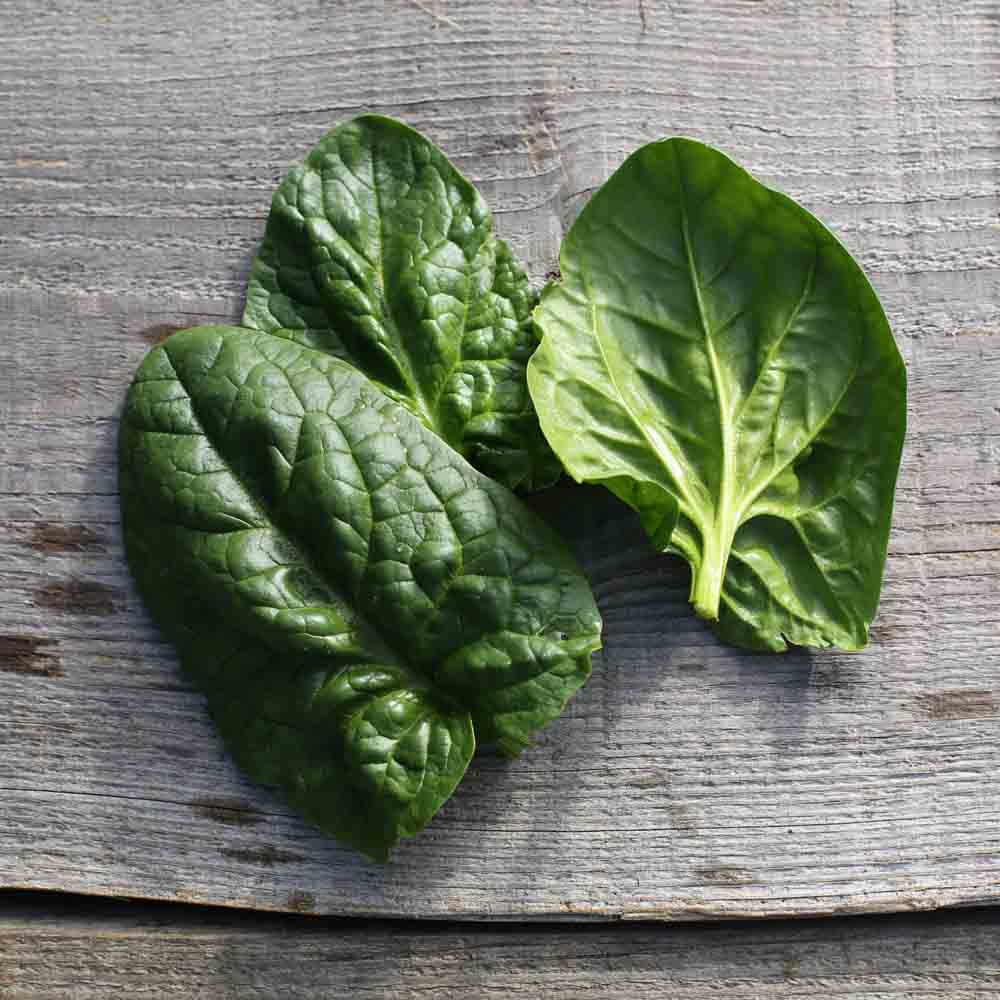
A late-ripening variety with broad, thick, dark green leaves and good productivity. Matador spinach can be eaten cooked or raw, immediately after harvest.
How to successfully sow Matador spinach
Sowing: from February to May in fresh soil, previously loosened with a broadfork, in rows spaced 25 to 30 cm apart. Sow 2 or 3 cm deep, then firm down with the back of a rake and water. You can cover the seed with a forcing fleece until emergence.
Thin to 10 cm, then weed between the rows and mulch to avoid weed competition. Water frequently if the soil is dry to prevent bolting.
Be careful of the heat which can cause the seeds to go up quickly.
Good associations
Spinach likes to grow near peas, broad beans, haricot beans, cabbage, celery, strawberries, lettuce or chicory.
Harvesting Matador Spinach
Harvest approximately 2 months after sowing. Frequent picking encourages the appearance of new leaves.
Preserving Spinach
Spinach doesn't keep well fresh for long. You can freeze it.
The enemies
Snails or slugs: Place slug traps around your crops.
Downy mildew: Do not treat with Bordeaux mixture, as spinach leaves cannot tolerate copper and such treatment would be fatal. Take preventative action.
Leaf-eating moths: They cause large punctures or bites during the night. Use a biological treatment based on thurengiensis.